Science of Sport

From the moment you leave the starting blocks, your sporting ability can be affected by science.How do people balance, and what makes them fall over? What happens when a ball bounces, and why do balls have different surfaces? How is friction useful in sport and how do we use science to protect us from injury?

Watch plastic cups loop-the loop, and try to spot the trick in the game of crazy cricket. Dare you sit on a seat of nails?

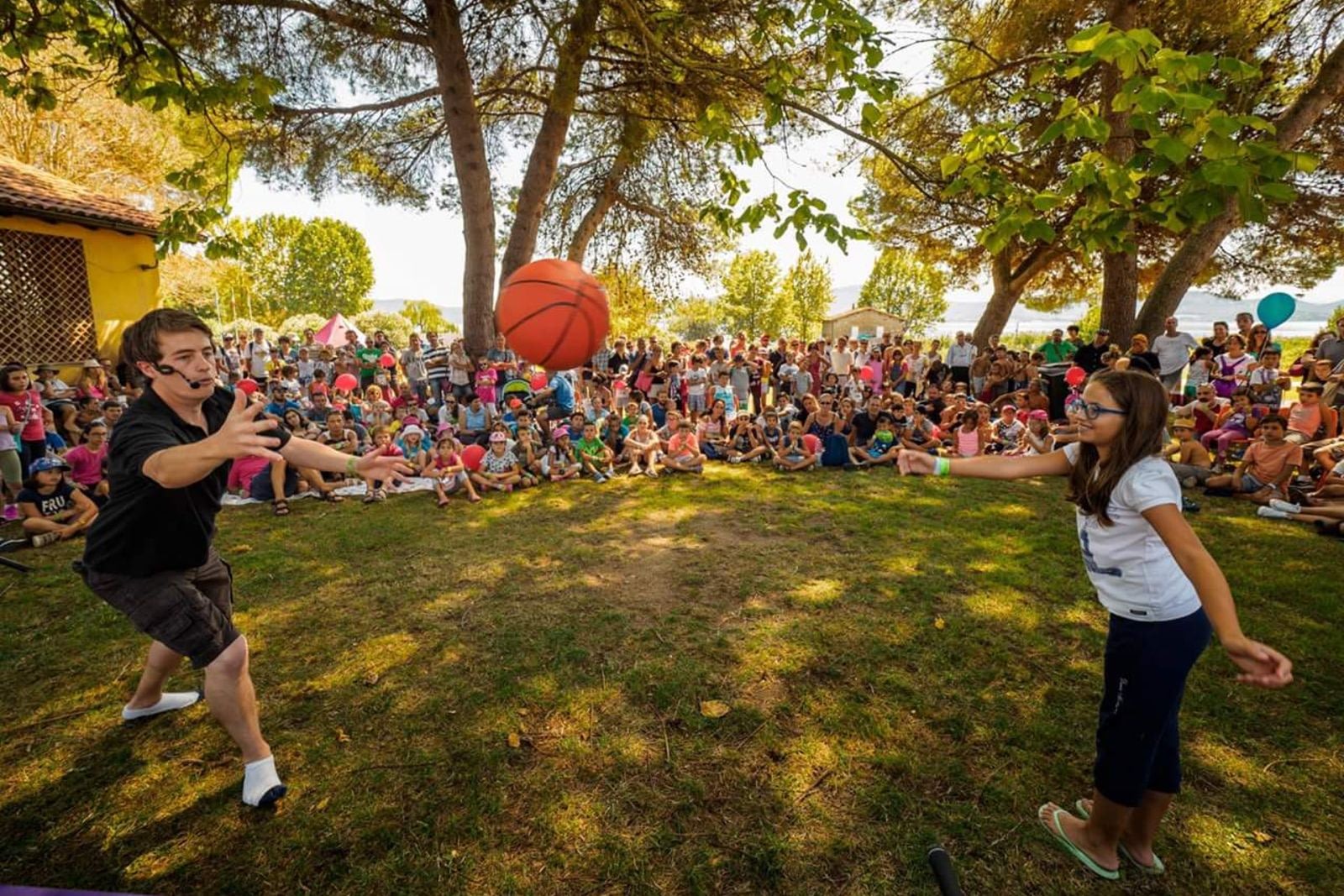
This exciting and interactive show uses lots of audience involvement to make you think about sport as you never have before. Be prepared to limber up and join in for this show with lots of audience interaction.

“…everyone praised your genuine and infectious enthusiasm for science.” – Assistant Head Teacher


Curriculum Links

Key Stage 3

  • Conservation of energy
  • Gravity
  • Newton’s laws of motion
  • Rotational motion
  • Moments
  • Frictional forces including air resistance
  • Force, area and pressure
  • Inertia


Learning Objectives

Key Stage 3

After watching the show KS3 pupils should:

  • Understand that science can help us to play sports better and safer
  • Recognise that the position of centre of gravity is crucial for stability
  • Understand that objects can be be made to rotate faster or slower by changing their distance from the centre of rotation
  • Know that solids transmit forces
  • Understand that impacts can be reduced by spreading them over time, distance or area


Duration

50 or 60 minute versions available

Suggested audiences

  • 11-14 year olds
  • Can be adapted for 7-11 year olds
  • Families of mixed age groups
  • Festivals and events

We will need the venue to provide

  • Power sockets
  • Projector screen
  • Two long tables
  • Drinking water for presenter

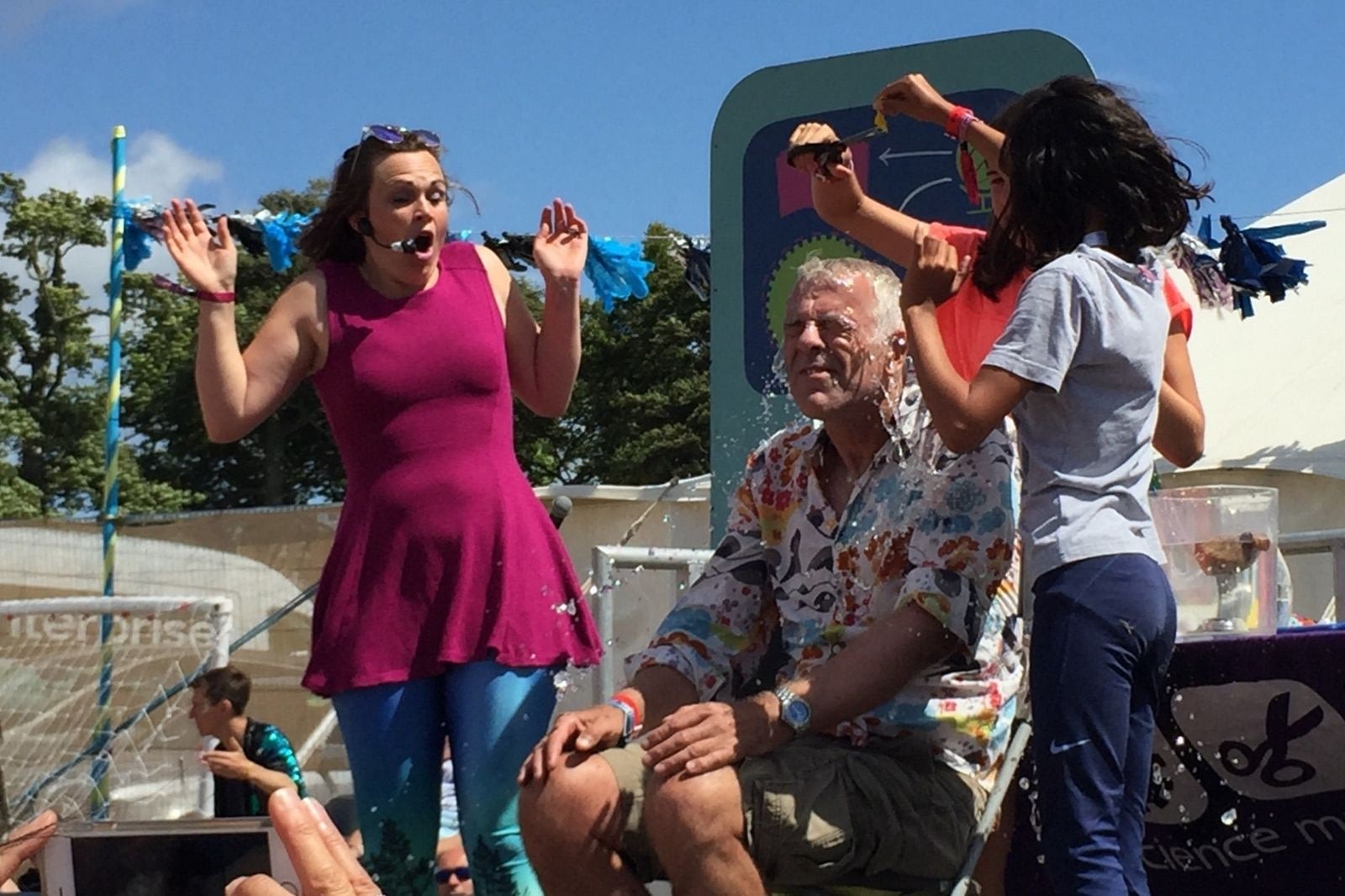
Please note this show contains demonstrations that use water and water may be spilt on the floor. Please ensure your chosen venue is suitable to house such a show.

What people say about us

loading Loading

    • This was the best part of our science week.
      Brenda Jones
    • science made simple were very inspiring and we look forward to having them again.
      Anne Smith